Where Can You Get Authentic Pizza in Norco Without Guessing?

How to Find Authentic Local Pizza in Norco
Find authentic local pizza in Norco by looking past star ratings and focusing on the details that usually reveal how a shop actually makes and serves its food. A local pizza place does not need a trendy dining room or a giant menu to be worth your time. What matters more is whether the dough tastes cared for, the sauce feels balanced instead of generic, the toppings make sense together, and the shop delivers a consistent experience whether you dine in, order takeout, or feed a group at home.
For many people, “authentic” does not mean one strict style. It can mean a neighborhood pizza shop that clearly has its own point of view, uses ingredients with purpose, and turns out pies that feel more personal than mass-produced. In Norco, that often means choosing a place that treats pizza like a craft and not just a fast transaction. The goal is not to chase hype. The goal is to know what signals usually separate a local favorite from a forgettable stop.
Find Authentic Local Pizza in Norco by Checking the Basics First
The fastest way to narrow your options is to start with a few simple checks. Look at recent customer photos, study the menu structure, and notice whether the shop seems confident in a smaller set of pizzas or tries to be everything for everyone. A focused menu often suggests the kitchen knows what it wants to do well. That does not automatically make a shop better, but it can be a positive sign.
Next, ask whether the pizza looks like it has its own identity. Does the crust have color and texture, or does it look pale and flat? Does the sauce appear balanced, or does it seem buried under cheese? Are the toppings distributed with intention, or just scattered for volume? Authentic local pizza usually feels like someone in the kitchen cared about how the whole pie would eat, not just how it would photograph.
You should also pay attention to consistency. One great photo means very little. Ten customer photos showing similar crust color, topping balance, and overall finish tell you much more. That repeatability matters because it suggests the shop can deliver the same quality on a quiet weekday and a busy Friday night.
Start With the Crust, Sauce, Cheese, and Toppings
Pizza quality usually reveals itself in the basics long before you get into specialty combinations. If the crust, sauce, and cheese are solid, the rest of the menu has a much better chance of being worth your money.
Crust tells you a lot
Crust is often the clearest quality signal. A good crust usually has structure, some chew, and enough color to show it was baked with care. Depending on style, it might be crisp on the outside and softer inside, or it may lean more tender and airy. What you want to avoid is crust that tastes like an afterthought. If the edge looks dry, flavorless, or identical to every frozen-style pizza you have seen, that is not a great sign.
Some people prefer wood-fired character, while others want a sturdier neighborhood pie with a more traditional bake. Neither preference is wrong. The useful question is whether the crust fits the shop’s style and stays enjoyable from the first bite to the last. If people regularly leave the crust behind, that often says something.
Sauce should support, not overwhelm
Good pizza sauce usually tastes deliberate. You should be able to notice acidity, sweetness, seasoning, or freshness without feeling like the pizza turned into a bowl of tomato paste. When the sauce is too sweet, too flat, or applied too heavily, the whole pie can feel one-dimensional. A more balanced sauce tends to let the crust, cheese, and toppings breathe.
Cheese and toppings should make sense together
Heavy topping piles can look generous, but they do not always eat well. Authentic local pizza often shows restraint. The cheese melts evenly, the toppings suit the style of pie, and the slices do not collapse from excess oil or weight. For meat toppings, look for proper browning and distribution. For vegetable toppings, look for freshness and color rather than limp, watery coverage.
If you want a practical test, start with a cheese pizza or a simple combination before you move to more complex options. That gives you a clean read on the kitchen. A shop that handles a basic pie well usually earns more trust when you try its specialty offerings later.
Compare Local Shops and National Chains Fairly
It is easy to assume local always beats chain pizza, but that is not automatically true for every customer or every situation. Chains can be convenient, predictable, and budget-friendly. They may be the better option when speed, coupons, or late-night ordering matter most. Local shops often stand out in flavor, personality, ingredient handling, and the feeling that the menu reflects actual kitchen choices instead of mass standardization.
The most useful comparison is not “Which one is famous?” It is “What do I care about tonight?” If you want a quick, low-risk family order with easy online checkout, a chain may still have a place. If you want pizza that feels more specific to the neighborhood, tastes less generic, and gives you something memorable enough to recommend later, a local shop often has the edge.
Here is a balanced way to think about it:
- Local shop advantages: more distinct flavor, more character, flexible ordering, stronger neighborhood identity, and often more interesting specialty pies.
- Local shop trade-offs: pricing may vary, wait times may be longer during rush periods, and online systems may be simpler than big national apps.
- Chain advantages: consistency, familiar pricing, broad delivery reach, and fast app-based ordering.
- Chain trade-offs: less individuality, more standardized flavor, and fewer signs of handcrafted preparation.
That framework makes it easier to choose based on what matters to you instead of what looks popular for one night on social media.
Use the Menu as an Evidence Check
A menu can tell you a surprising amount before you order. Look for clues that the shop understands its own strengths. Does it offer a clear set of signature pies with combinations that sound intentional? Does it seem proud of a house style? Are the descriptions specific enough to show confidence, or are they vague and repetitive?
Menus built around a few strong identities often inspire more trust than giant menus with no center of gravity. That does not mean large menus are bad. It just means a focused menu may be more likely to reflect a kitchen with a point of view.
It also helps to check whether the shop seems prepared for real-world ordering needs. A good local pizza place should make it reasonably easy to order for a family night, a casual hangout, or a larger group. If that matters to you, these related reads can help:
- family pizza in Norco California
- wood fired pizza in Norco California
- Norco pizza night guide
- best pizza places near me
If you are ordering for several people, it is also worth thinking about how the shop handles larger orders, side items, and timing. Some places shine with specialty pies for two to four people but are less organized when the order gets bigger. Others are built to handle parties more smoothly. Planning ahead is often the difference between a relaxed pizza night and a rushed one.
Read Reviews Like a Careful Buyer
Reviews can help, but only if you read them carefully. Do not focus only on the average star rating. Look for repeated details across many recent reviews. If multiple people mention crisp crust, balanced sauce, generous but not overloaded toppings, and good consistency, that carries weight. If the same complaints keep appearing about soggy slices, long unexplained waits, cold delivery, or uneven quality, you should take that seriously.
Photos matter almost as much as written comments. Customer photos are harder to polish than marketing images, so they often show you the real result. When you scan photos, ask these questions:
- Do the pizzas look consistent across different customers and dates?
- Does the crust show proper bake color?
- Do toppings look fresh and properly cooked?
- Do the slices hold structure, or do they collapse under excess grease or moisture?
It is also worth reading how the business responds to complaints. A calm, practical response does not guarantee quality, but it can suggest the shop takes service seriously. Defensive or dismissive replies are less encouraging.
For an outside look at customer feedback and photos, you can review the shop’s Yelp profile. For additional updates and visual content, you can also browse the brand’s Instagram page and Facebook page.
Timing Can Change the Experience
Even a strong pizza shop can feel different depending on when you order. Peak dinner windows, weekend sports nights, and event-heavy evenings can stretch ticket times and put pressure on the kitchen. That does not automatically mean quality drops, but it can affect crispness, wait time, communication, and the overall experience.
If you are trying a place for the first time and really want to judge it fairly, a weekday order outside the biggest rush can be useful. The kitchen may have a little more breathing room, and you will get a cleaner sense of how the food normally comes out. If you order during the busiest hour of the week, you may be seeing the shop under maximum stress instead of at its typical standard.
Timing also matters for dine-in versus takeout. A pizza eaten a few minutes after it leaves the oven will usually show more texture and contrast than one that sits in a box during a longer drive. That does not mean takeout is a bad choice. It just means your expectations should be realistic. If you live farther away, consider ordering a style that travels well or asking the shop about recommended pickup timing.
If freshness after pickup matters to your household, this related article may help: how long pizza stays fresh after delivery.
Think About Value, Not Just Sticker Price
When people hunt for authentic local pizza, price often comes up quickly. That is understandable, but the better question is usually value. A pizza that costs a little more may still be the smarter buy if the ingredients taste better, the slices are more satisfying, and the overall order leaves less waste behind.
As a general rule, specialty pies, meat-heavy toppings, wood-fired styles, family bundles, and group orders can all change the final total. Menu prices may also vary by size, add-ons, taxes, delivery fees, and third-party app markups. Because of that, it is more honest to think in ranges than fixed numbers unless you are looking at the live menu. A plain cheese pizza and a loaded specialty pie do not belong in the same price conversation.
There are also practical questions that affect value:
- How many people are you feeding?
- Do you need leftovers that still reheat well?
- Are you ordering a few high-quality pies or trying to maximize volume?
- Do you want pizza alone, or are you adding wings, salads, desserts, and drinks?
For a group hangout, the most authentic-feeling choice is not always the cheapest pizza per inch. Sometimes it is the order that gets eaten happily, arrives on time, and actually matches the occasion. If you are planning for more people, these articles may help with sizing and order strategy:
Common Red Flags to Watch For
Not every weak pizza shop looks weak at first glance. Some red flags only show up when you slow down and look for patterns. These are worth paying attention to:
- Photos that look good in marketing but inconsistent in customer uploads
- Menus that feel huge but strangely generic
- Repeated recent complaints about soggy crust or undercooked centers
- Pizzas overloaded with toppings that seem to hide weak fundamentals
- Large differences between dine-in praise and delivery disappointment
- Poor communication about delays during peak order times
On the other hand, do not confuse simplicity with weakness. Some of the most reliable local pizza shops win on repeatability, not novelty. A shop that makes a strong cheese pie, a dependable pepperoni, and a few well-thought-out house favorites may be more authentic than a place chasing trends without mastering the basics.
Helpful Related Reads
If you want to keep comparing styles and ordering situations, these internal reads fit naturally with this topic:
- perfect pizza in Norco CA
- comfort style pizza in Norco CA
- best pizza for people who do not like pepperoni
And when you already know what you want, these direct site pages are useful for planning the order:
Final Takeaway
If your goal is to find authentic local pizza in Norco, the smartest approach is to judge each shop on repeatable quality instead of hype. Start with the fundamentals. Look at crust color, sauce balance, topping restraint, menu confidence, customer photos, and how the shop performs under normal ordering conditions. Compare value based on the full eating experience, not just the lowest number on the screen.
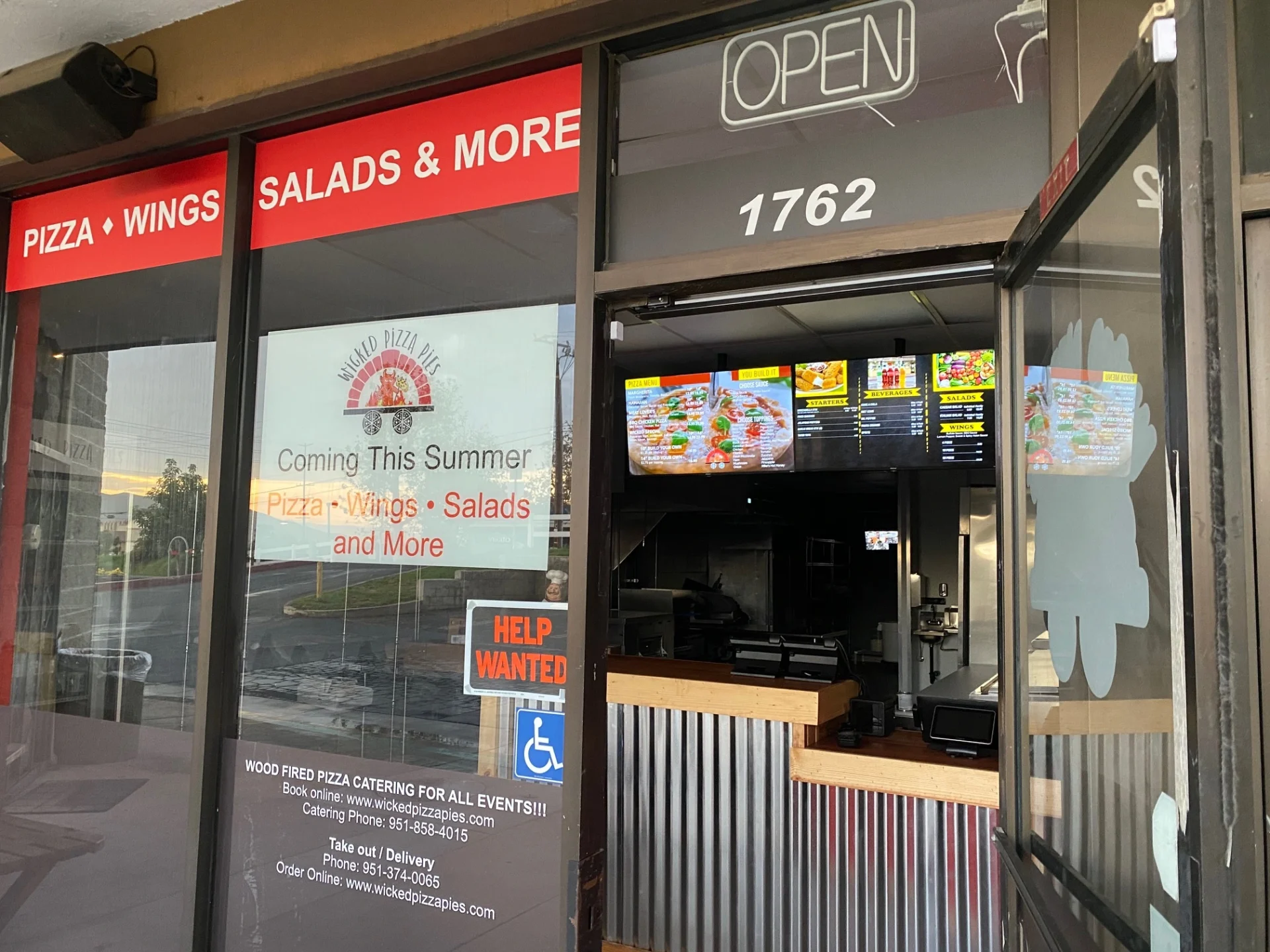
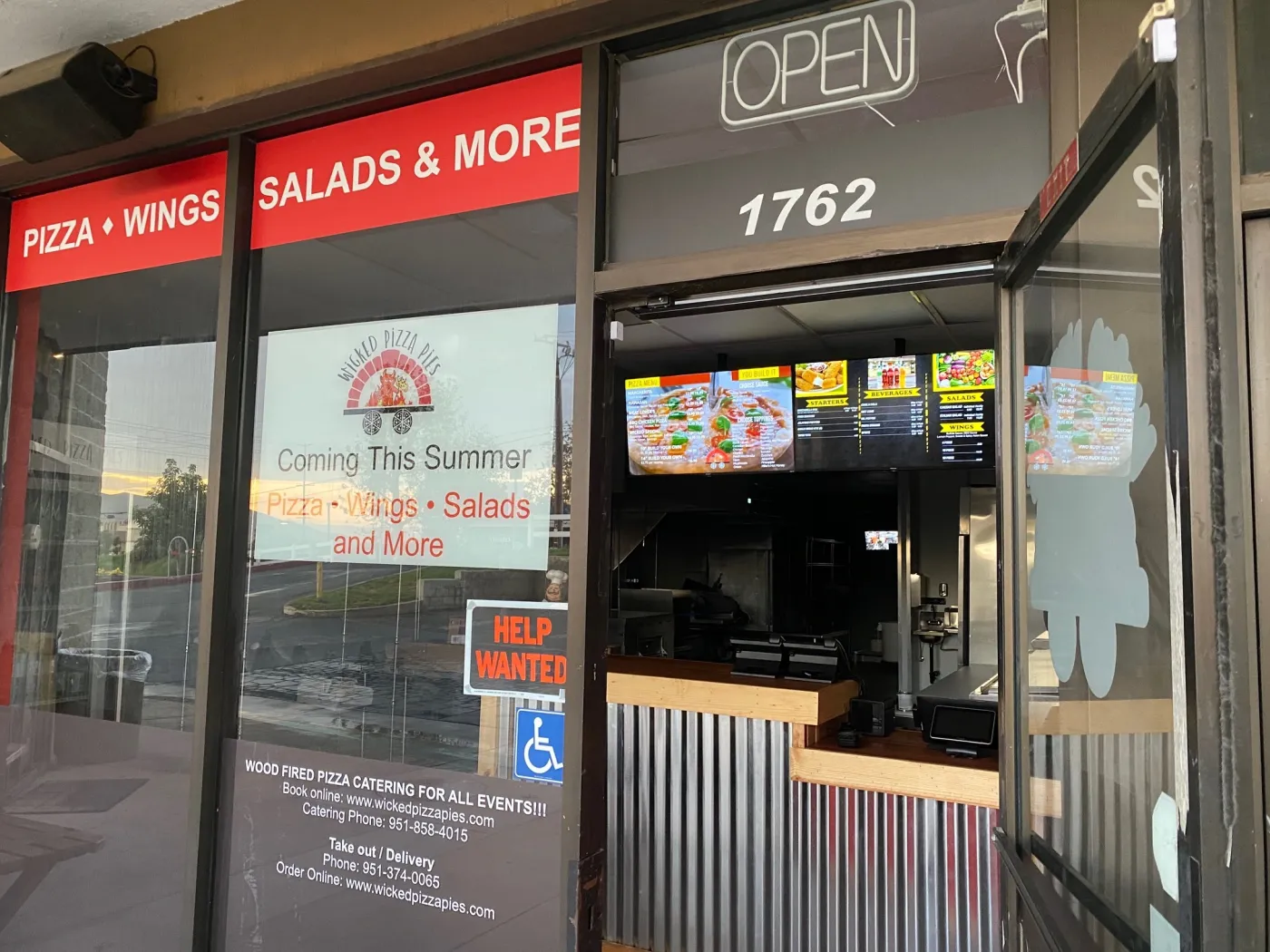
For readers who want a local option to compare against these standards, Wicked Pizza Pies gives you a practical benchmark for specialty pies, group orders, and neighborhood pizza nights without needing a hard-sell pitch. The better long-term habit is to use a consistent checklist whenever you try pizza anywhere in Norco, because that is what helps you find a place you will actually return to.
FAQ
What makes a pizza place feel more authentic than generic?
It usually comes down to identity and consistency. A more authentic-feeling pizza shop tends to have a crust with real character, a sauce that tastes intentional, toppings that are used with restraint, and a menu that reflects a clear house style. It feels like the kitchen made choices on purpose rather than copying a mass-market formula.
Is wood-fired pizza always the most authentic option?
No. Wood-fired pizza can be excellent, but authenticity is not limited to one oven type or one regional style. A traditional neighborhood pie baked in a different oven can still feel more honest, more satisfying, and more consistent than a wood-fired pizza that looks impressive but lacks balance.
How can I judge a pizza place before I order?
Check recent customer photos, read detailed reviews, study the menu, and notice whether the pizzas look consistent across different orders. Pay attention to crust color, topping balance, and whether people mention repeat visits. Those signals are usually more useful than broad star ratings alone.
Should I try a cheese pizza first?
That is often a smart move. A cheese pizza gives you the clearest view of the dough, sauce, and cheese without other toppings covering weaknesses or strengths. If a shop does the basics well, there is a better chance its specialty pies will also be worth trying.
What is the best way to compare value when pizza prices vary?
Focus on total experience, not just base price. Consider the size, ingredient quality, how filling the slices are, how well the pizza travels, and whether leftovers stay enjoyable. Add-ons, delivery fees, taxes, and app markups can change the final number quickly, so live menu pricing always matters more than rough assumptions.
Does takeout change how good a pizza tastes?
It can. Pizza is often at its best shortly after baking, so longer travel times may soften crust or trap steam inside the box. That does not mean takeout is a poor choice. It just means travel distance, pickup timing, and style of pizza can affect the result more than many people expect.